
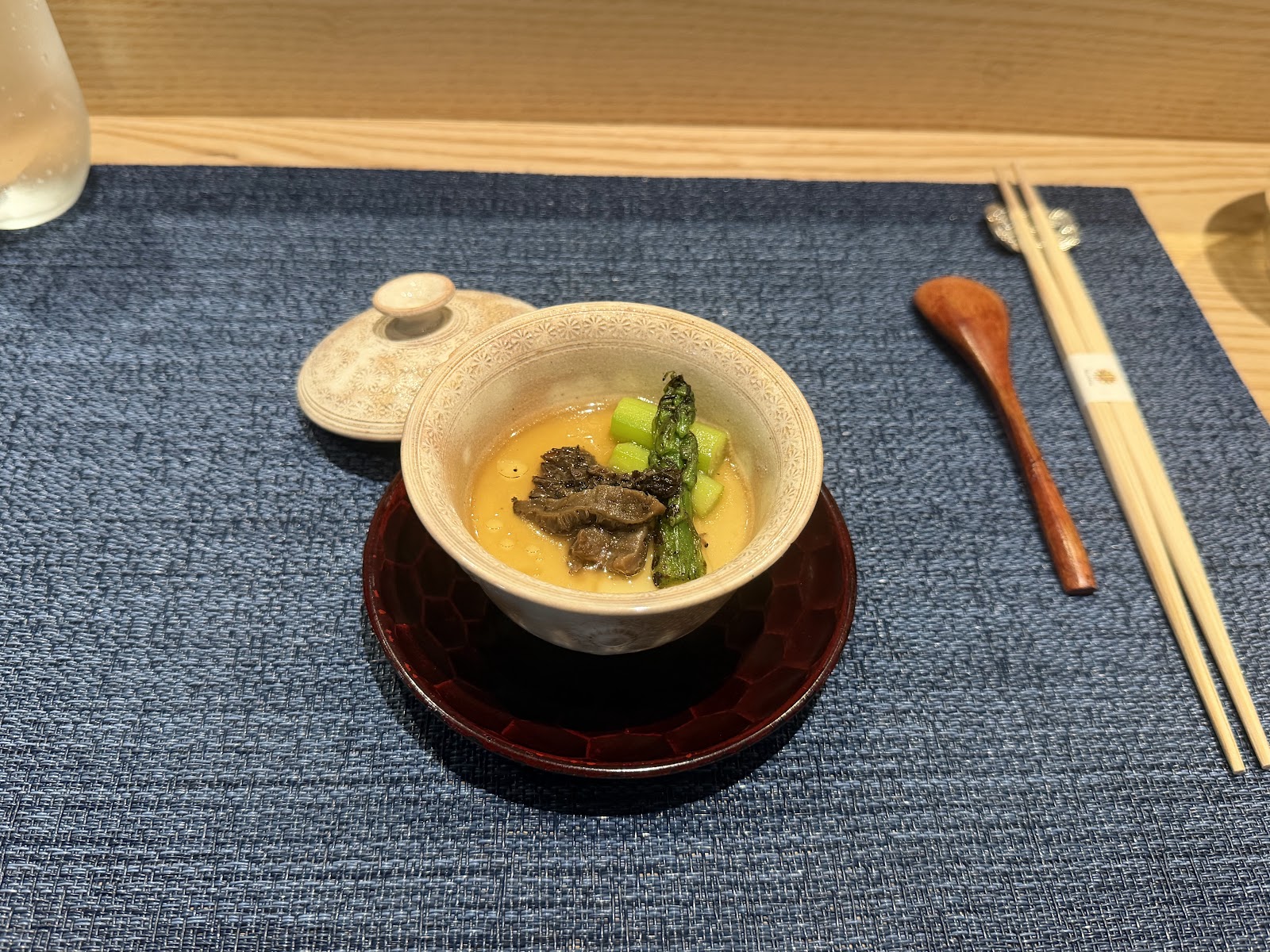
ShoMon Kappo Sushi brings Kyoto's kappo cooking together with Edomae-style sushi in Belltown. The kitchen is run by a team of chefs — four who trained in Japan's major culinary cities, alongside a longtime Seattle sushi chef — who prepare dishes in front of guests and talk through the Edomae preparations as they serve them.
The cooking draws on Pacific Northwest ingredients like salmon, geoduck, albacore tuna, and wild mushrooms, alongside seafood imported from Japan, including uni and sea scallops, for the sushi course. Regulars describe the omakase here as creative and non-traditional rather than strictly classical, built around high-quality, fresh ingredients and a level of personalized attention that keeps diners coming back.
The cooking draws on Pacific Northwest ingredients like salmon, geoduck, albacore tuna, and wild mushrooms, alongside seafood imported from Japan, including uni and sea scallops, for the sushi course. Regulars describe the omakase here as creative and non-traditional rather than strictly classical, built around high-quality, fresh ingredients and a level of personalized attention that keeps diners coming back.