
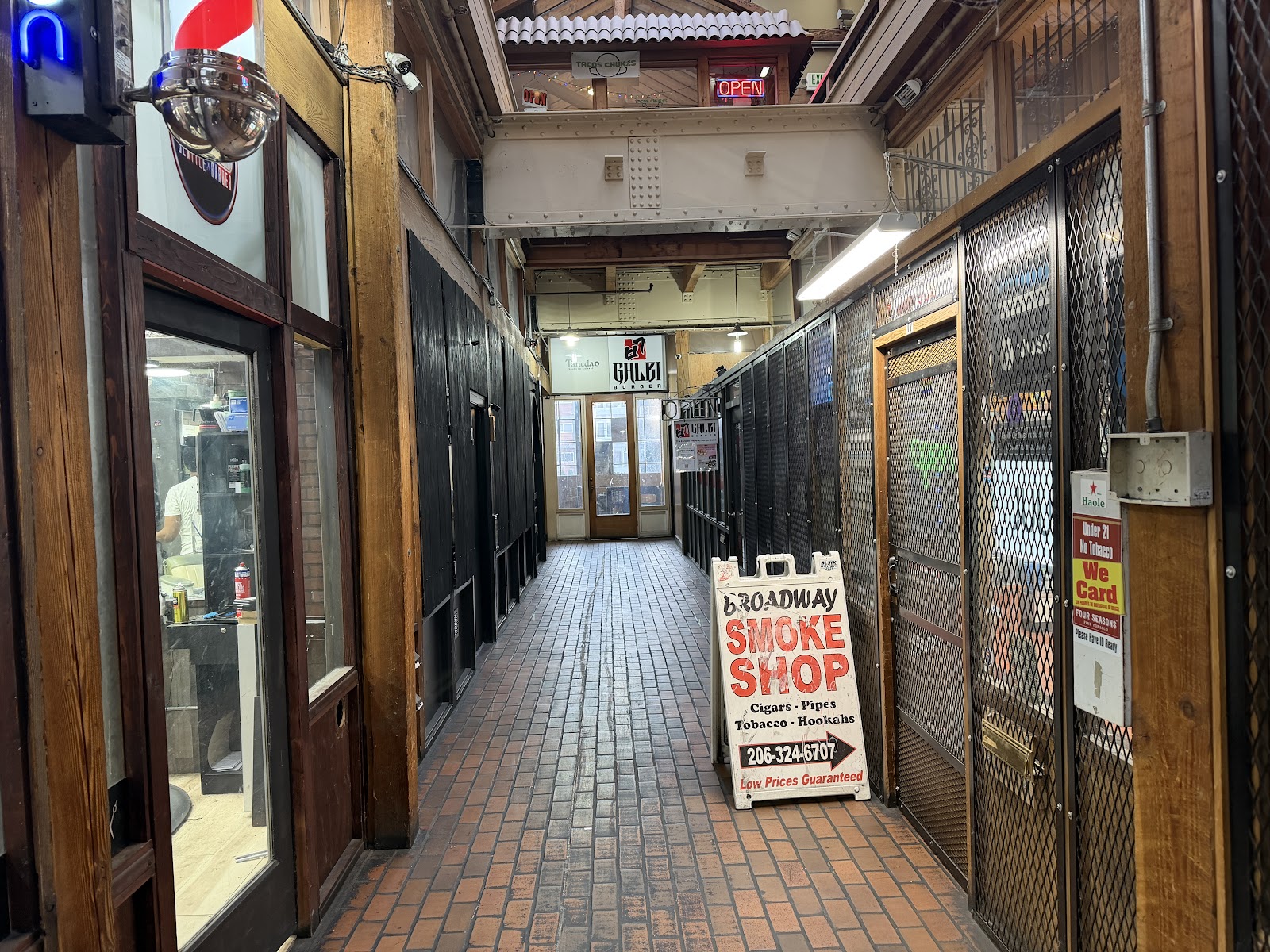
Taneda occupies a small space on Capitol Hill built in 1918. Chef Hideaki Taneda and Ryoji Aoki serve only course meals, centered on omakase sushi and kaiseki — no à la carte.
The sushi draws on Edomae style, the hand-formed, fast-tempo technique rooted in 1820s Edo-era Tokyo, applied here to local ingredients drawn from Chef Taneda's experience cooking in both Tokyo and Seattle. The kaiseki side follows the multi-course tradition tied to Japanese tea ceremony, including dishes like Hassun, which brings together a range of seasonal ingredients on a single plate.
Details run deep in the kitchen: sushi rice is seasoned with a three-vinegar blend on a red-vinegar base, the soy sauce is a house blend of dealcoholized sake, mirin, kombu, and bonito flakes, and wasabi comes from stems grown in Japan and Oregon. Some fish is aged three to six days for umami, with rice temperature adjusted by dish — warmer for fattier cuts like toro. Serving dishes come from a Kyoto craftsman connected to Chef Taneda.
Seattle Met named Taneda to its Best of 2025 list, and The Infatuation scored it 8.9/10.
The sushi draws on Edomae style, the hand-formed, fast-tempo technique rooted in 1820s Edo-era Tokyo, applied here to local ingredients drawn from Chef Taneda's experience cooking in both Tokyo and Seattle. The kaiseki side follows the multi-course tradition tied to Japanese tea ceremony, including dishes like Hassun, which brings together a range of seasonal ingredients on a single plate.
Details run deep in the kitchen: sushi rice is seasoned with a three-vinegar blend on a red-vinegar base, the soy sauce is a house blend of dealcoholized sake, mirin, kombu, and bonito flakes, and wasabi comes from stems grown in Japan and Oregon. Some fish is aged three to six days for umami, with rice temperature adjusted by dish — warmer for fattier cuts like toro. Serving dishes come from a Kyoto craftsman connected to Chef Taneda.
Seattle Met named Taneda to its Best of 2025 list, and The Infatuation scored it 8.9/10.